Booking
Container space reserved against a named vessel and sailing date.

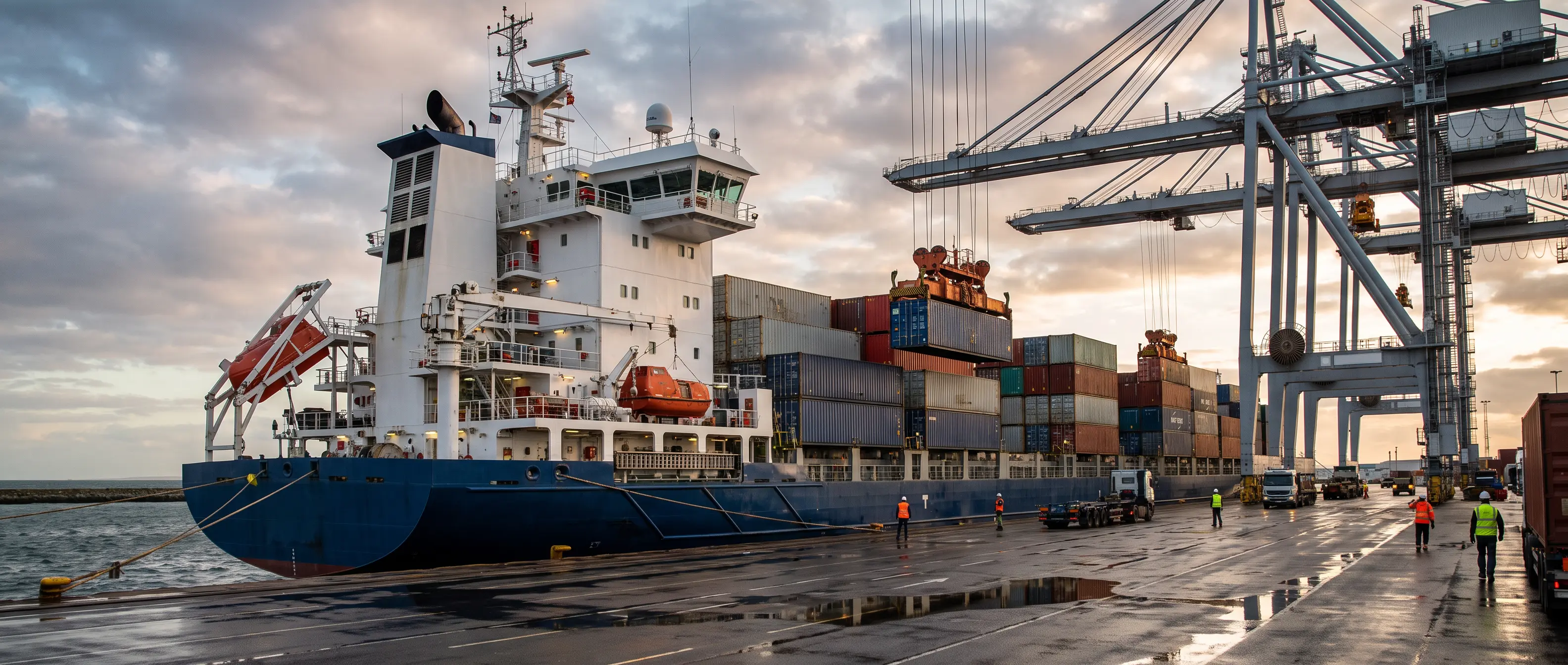
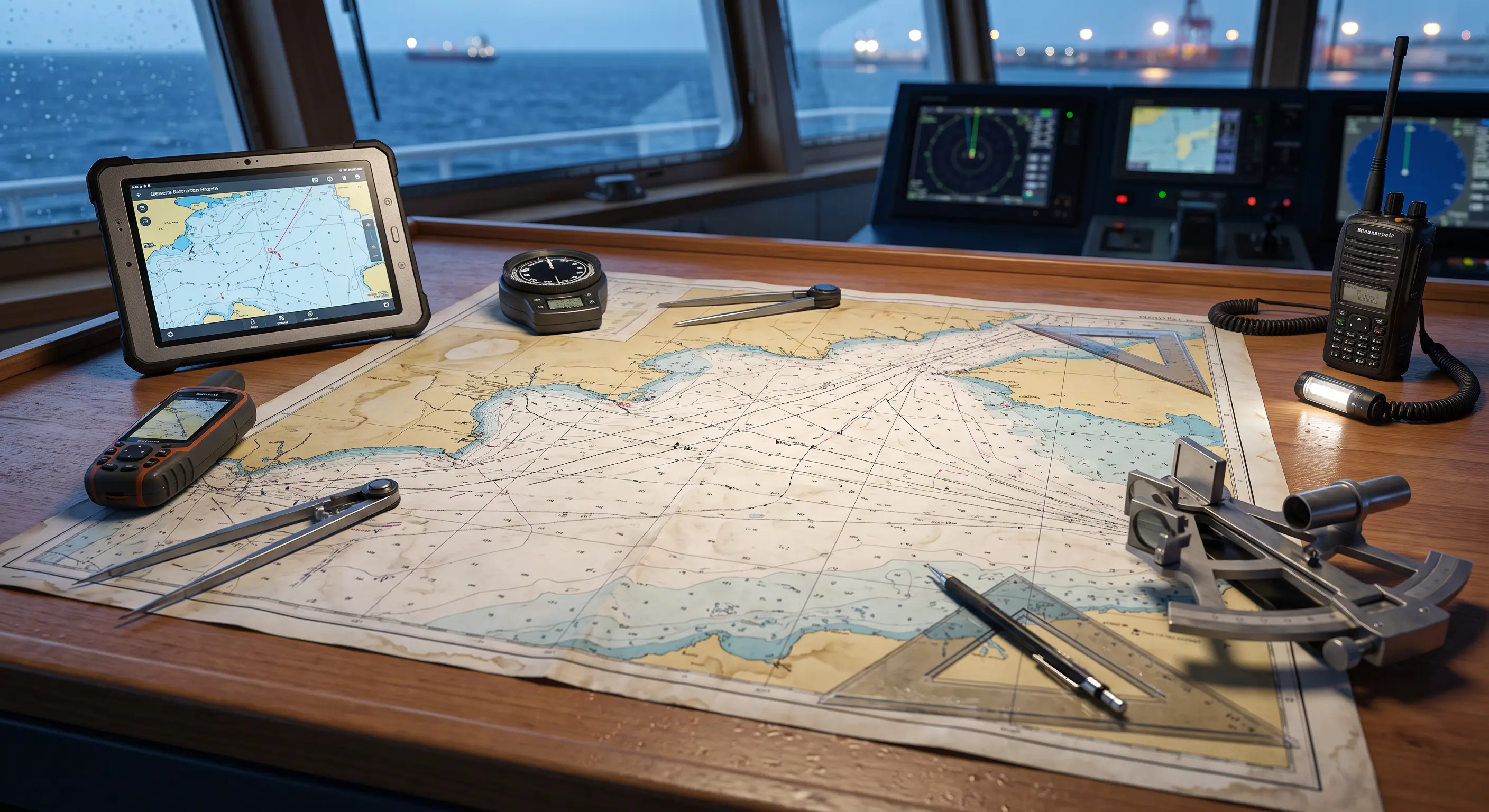
Osher Shipping moves goods across international waters with disciplined planning, accurate documentation and accountable delivery.
Sea freight rewards precision long before a vessel leaves the berth.
Ocean transport carries the majority of world trade because it offers the lowest cost per unit over long distances, together with the capacity to handle bulk volumes and oversized cargo.
Our work covers slot booking, inland haulage, export and import clearance, ocean transit and the final mile, so responsibility for a shipment never falls between parties.
Every handover in a shipment is a point where clarity either holds or breaks.
Container space reserved against a named vessel and sailing date.
Bill of lading, invoice, packing list and declarations prepared without error.
Clearance at both ends, ocean passage and delivery to the consignee.
Space is reserved for a specific voyage. The confirmed booking triggers equipment allocation, scheduling, documentation and the countdown to every cut-off that follows.
A release order confirms the booking is active and allows an empty container to be collected from the depot or yard for loading.
Cargo moves by truck or rail from the shipper to a warehouse, consolidation facility or port yard, where it is stored, palletised, labelled and, for shared loads, consolidated.
Authorities assess declared value, verify classification and may inspect the goods. Only after export approval is the container permitted to gate in at the terminal.
Shipping instructions, verified gross mass and physical gate-in each carry a deadline. A missed cut-off rolls the container to the next available vessel.
The vessel sails directly or transfers cargo at a hub port. Transit time depends on the route, the service pattern and conditions along the way.
On arrival the carrier files cargo details with customs. Manifest accuracy matters, because these records form the baseline for clearance and release.
The import declaration is filed, classification is verified, duties and taxes are settled, and customs issues release. A delivery order then frees the cargo from the terminal.
The container is collected, transported to the consignee and unloaded. The cycle closes only once the empty unit is returned within its free time.
The right load configuration is chosen from the cargo, not from habit.
A full container load gives a single shipper exclusive use of the unit, which suits higher volumes and cargo that should not be handled alongside other consignments.
A shared container consolidates several smaller shipments, lowering cost for modest volumes at the price of additional handling at consolidation points.
Wheeled cargo is driven directly on and off the vessel, while dry and liquid commodities move as bulk without containerisation.
Terminals run on deadlines, and the schedule is kept by preparation rather than urgency.
Receipt for the cargo, evidence of the contract of carriage and, in several forms, a document of title governing who may take delivery.
States the transaction value, description of goods, parties and delivery terms. Customs uses it to assess dutiable value.
Breaks the consignment into packages, dimensions, net and gross weight, allowing physical cargo to be checked against declared detail.
Identifies where goods were produced, which can determine tariff treatment and eligibility under trade agreements.
A harmonised commodity code drives duty rates, licensing conditions and restrictions. An incorrect code invites penalties or a cargo hold.
Required for hazardous consignments, stating the identification number, hazard class, packing group and emergency response detail that govern safe stowage.
Beyond the quoted rate, free time governs how long a container may be held before charges accrue. Detention applies once the unit is outside the terminal, while demurrage applies while it remains inside.
These charges are avoided through preparation rather than negotiation, which is why we treat clearance readiness and haulage planning as part of the freight decision itself.
Free time turns storage into cost, so a shipment is not complete until the container is back.
Schedule Integrity
Ocean freight runs on cut-offs for instructions, verified weight and physical gate-in, and each one is absolute. Osher Shipping works backwards from the sailing date so documentation and haulage converge well before the terminal closes its window. Rollovers can still occur through congestion or space constraints, but they should never be caused by our own preparation. Protecting the schedule is the most practical form of cost control available to a shipper.
Documentary Accuracy
A discrepancy between declared and actual cargo rarely surfaces early; it surfaces at a customs inspection or a release counter. Osher Shipping verifies value, description, classification and weight against the physical consignment before submission. This discipline reduces exposure to penalties, storage charges and the delays that follow a hold. Accurate paperwork is not administration around the shipment, it is the shipment's permission to move.
Route Strategy
A direct service keeps cargo on one vessel from loading port to discharge port, shortening transit and reducing handover risk. Routing through a hub usually costs less while adding days and additional operational touchpoints where connections can be missed. Osher Shipping frames this as an explicit trade between time, cost and reliability for each consignment. The right answer depends on what the cargo cannot afford to lose.
Cargo Care
Dangerous goods demand correct classification, approved packaging, precise declarations and separation from incompatible cargo on board. Temperature-controlled and high-value shipments carry their own requirements for equipment, monitoring and handling. Osher Shipping treats these conditions as design parameters set at booking, not adjustments made at the quayside. Safe carriage depends on decisions taken before the container is ever sealed.
Visibility
Tracking is useful when it tells a customer what has changed and what must now be done about it. Osher Shipping reports berthing, departure and arrival estimates alongside clearance and release status across the journey. Clear notice of a delay allows inventory, production and onward transport to be adjusted in time. Visibility earns its value by shortening the distance between an event and a response.
A shipment is judged not at departure, but at the moment it is handed over.Osher Shipping